Lifelong Care

Global ARCH / Lifelong Care

Life-Long Care Principles

Care should not end when childhood surgery does.

Childhood-onset heart disease is lifelong. Our 10 Life-Long Care Principles describe the care every person needs, from childhood through adolescence, adulthood and parenthood, wherever they live.

Life-long care means being supported to live, not simply to survive.

Survey respondent, 2025

The principles

10 principles for care that lasts a lifetime

A collective statement from patients and families: a global standard of what every person with congenital or rheumatic heart disease should receive after their first diagnosis and treatment, as a child and as an adult.

Knowledge

  1. 1

    Patients and families should understand the lifelong nature of their condition and the need for ongoing follow-up.

  2. 2

    Every patient should have an identified cardiac provider and a defined long-term plan.

  3. 3

    Patients and families should understand possible long-term risks of their condition and when to contact their care team.

Medical services

  1. 4

    Every patient should have access to cardiologists, surgeons and interventionalists trained in treating their disease in their age range.

  2. 5

    Every patient should have access to all needed medical services to prevent, identify and treat cardiac and associated complications of their disease.

Cognitive and mental health

  1. 6

    Every patient should receive needed services to prevent, identify and treat the cognitive and mental health challenges associated with their disease.

Pregnancy and reproduction

  1. 7

    Women should understand safe family planning options and individual pregnancy risks and needs.

  2. 8

    Women should receive the pregnancy management needed to minimize the risk of cardiac and other complications.

Physical activity

  1. 9

    Patients and families should be educated on the benefits and safety of physical activity.

Community and belonging

  1. 10

    Every patient and family should have opportunities to meet others affected by their disease.

Putting the principles into action

What patient and family organizations can do

  • EducationSurgery is not a cure. Teach families, patients and care providers about risk, follow-up and exercise.
  • Gather informationTrack follow-up in registries and survey what doctors and families know.
  • InvestmentExpand funding to cover patients over 18, transport to care and clinician training.
  • PartnershipsPartner with local providers, explore remote testing and plan the hand-off to adult care.
  • AdvocacyPush for capacity beyond surgery, broader insurance benefits and campaigns against stigma.
  • Peer supportCreate spaces to connect, from events to WhatsApp groups, with hospital partners.

Life-Long Care Principles Survey

What our members told us

We asked member organizations how well each principle is achieved where they live. Their message was consistent: people value cardiac care, but support too often fades at the moments it matters most.

33responses
31member organizations
10principles assessed

Where people most often said nothing is in place

Number of respondents (out of 32) who rated each principle as 0% achieved in their setting.

  • 1. Understanding lifelong care2
  • 2. Care provider and long-term plan2
  • 3. Knowing risks and when to call2
  • 4. Trained specialists2
  • 5. All needed medical services3
  • 6. Cognitive and mental health4
  • 7. Family planning2
  • 8. Pregnancy management5
  • 9. Physical activity3
  • 10. Meeting others1
5 of 32

Pregnancy management (principle 8) was the one most often rated as completely unachieved.

"There are still patients who are lost to follow-up or who do not have a medical team specialized in CHD."

Survey respondent

"Being a chronic patient is more than having a disease/pathology."

Survey respondent

What we heard

  • No one should find their way back to care alone. A named provider and a real transition plan.
  • Where you live should not decide your care. Specialists are concentrated in big cities.
  • Mental health is heart health. Not an extra.
  • Information before it is needed. Family planning talks should start in adolescence.
  • Practical answers for everyday life. Exercise, work, school and peers.

Source: Global ARCH Life-Long Care Principles Survey, December 2025 (33 responses). Findings are directional and are not a country ranking.

Help make lifelong care real everywhere

Read the full findings, use the principles in your own advocacy, and add your organization's voice.

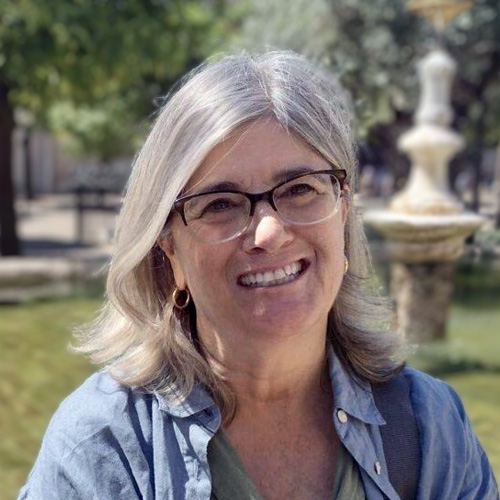
Amy Verstappen, Founder

Amy Verstappen has been a patient advocate and health educator since 1996, when her own challenges living with a complex heart defect led her to the Adult Congenital Heart Association, where she served as president from 2001 to 2013. She has served as an advisor to the Centers for Disease Control the National Heart, Lung and Blood Institute; and the International Society for Adult Congenital Cardiac Disease, and worked with congenital heart patient and professional groups throughout the USA and the world.  Ms. Verstappen received a Masters in Education in 1990 and a Masters in Global Health in 2019.